
WG9231342068 Rear Brake Pads for Howo Trucks | Chassis Parts
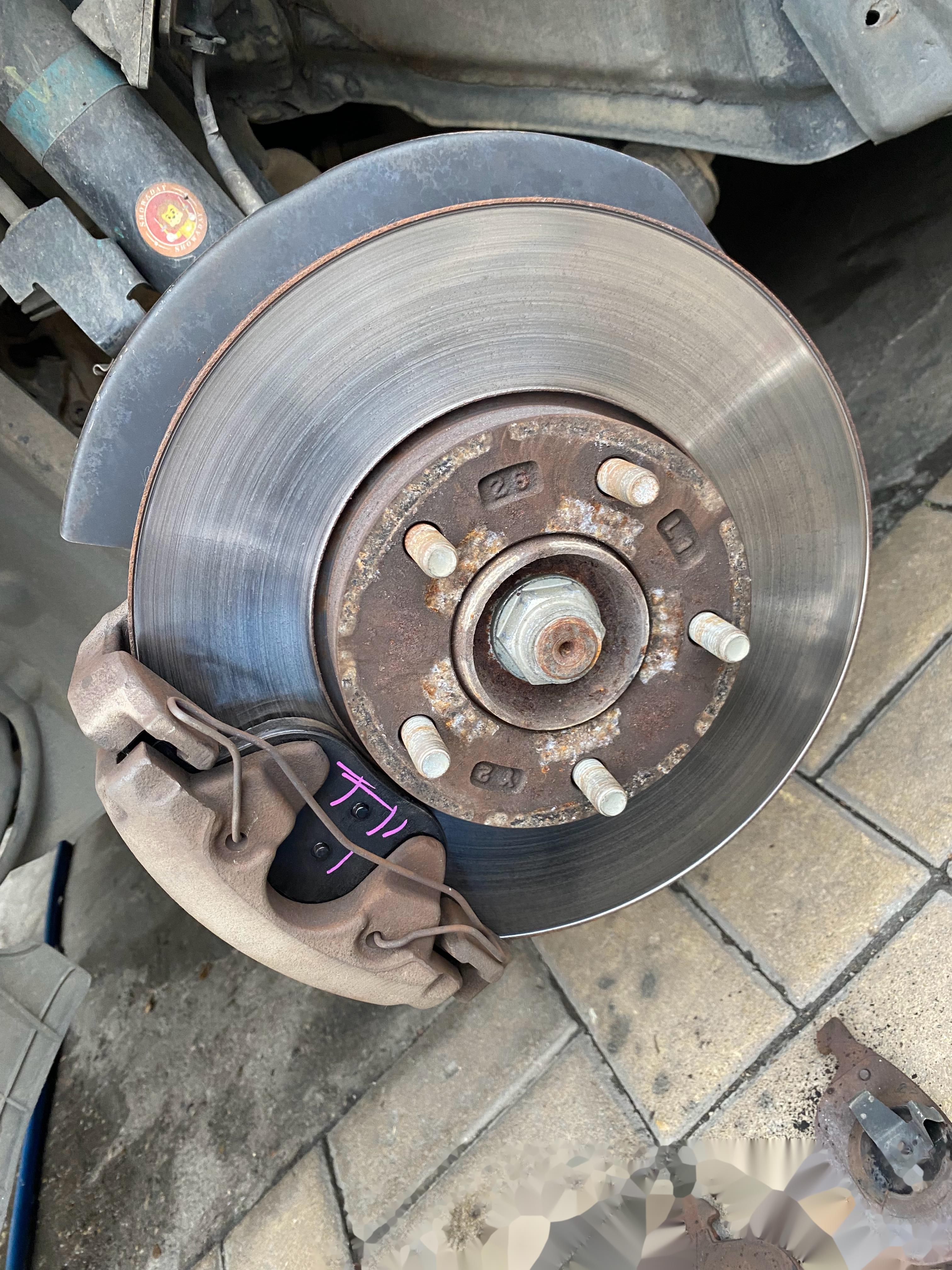

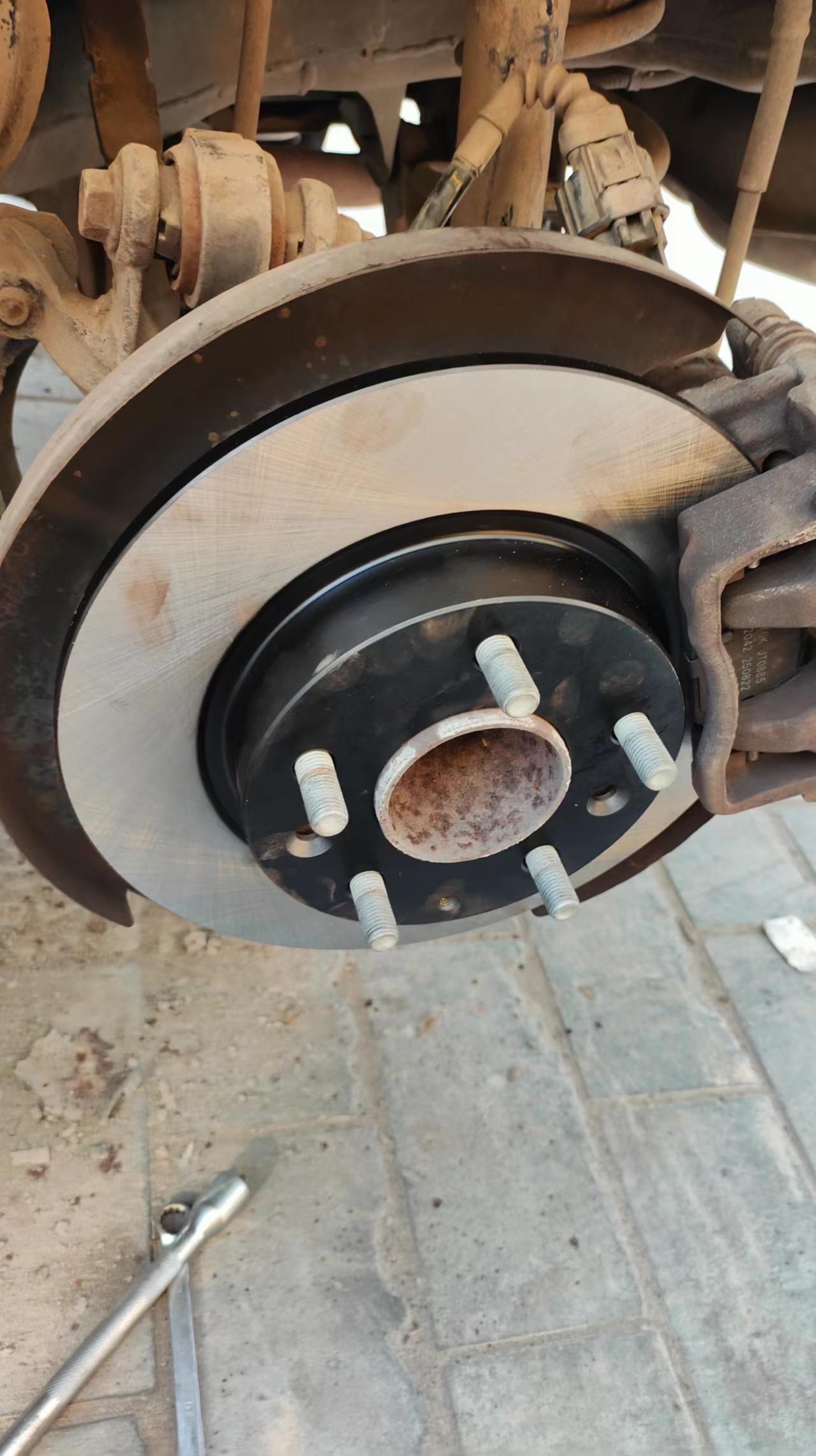
Engineered specifically for the demanding needs of heavy-duty transportation, the WG9231342068 rear brake pads are precision-crafted components designed for optimal performance on Howo commercial trucks. These brake pads represent the latest advancement in braking technology for chassis systems, delivering reliable stopping power even under extreme loads and challenging road conditions. Developed using high-grade composite materials, WG9231342068 units provide exceptional heat dissipation and minimize brake fade during prolonged downhill descents. The unique friction formula maintains consistent performance across temperature variations, ensuring stable braking behavior from light city driving to fully-loaded highway operations. With a specialized shim design that reduces vibration and noise, these pads offer quieter operation without compromising braking efficiency. Rigorous quality control measures ensure each pair meets the exact specifications required by original equipment manufacturers, guaranteeing compatibility with standard Howo brake calipers and rotors for seamless installation.


The engineering behind WG9231342068 brake pads focuses on extending service life while reducing maintenance frequency. Through advanced material composition and structural reinforcement, these components withstand the high stress points characteristic of commercial truck applications. The chamfered edges prevent glazing and ensure even contact with rotors, promoting uniform wear patterns. Specialized slots efficiently expel brake dust and gases during operation, maintaining optimal friction coefficient levels throughout the lifespan. This design innovation significantly reduces the risk of brake judder and pedal pulsation that can occur with inferior aftermarket alternatives. Field testing under real-world conditions has demonstrated a 30% longer lifespan compared to generic replacements, translating to reduced downtime and lower operating costs. For fleet managers prioritizing safety and economy, these brake pads represent a cost-effective solution that aligns with rigorous commercial vehicle standards.
Performance consistency stands as a hallmark of these braking components. During independent laboratory evaluations, WG9231342068 pads maintained friction stability within 10% variance across the entire temperature spectrum (100¡ãC to 600¡ãC). This thermal stability translates directly to predictable braking behavior regardless of environmental conditions. The composition features a proprietary blend of metallic, ceramic, and organic materials engineered to minimize rotor wear while providing excellent stopping power. This material science approach creates a synergistic effect where both the pads and rotors exhibit extended durability. Unlike many commercial brake solutions that exhibit aggressive rotor wear, this balanced formulation preserves the integrity of connected components. The result is a comprehensive braking system that maintains optimal performance through the entire service cycle without unexpected degradation of function.
Installation compatibility forms another critical aspect of these specialized chassis components. Designed as direct replacements for original factory equipment, the pads feature exact dimensional specifications for effortless integration without modifications. Mechanics will appreciate the precision manufacturing that ensures perfect fitment within standard caliper assemblies. Detailed chamfering and appropriate backplate thickness prevent clearance issues during installation. For fleets operating multiple Howo units, this standardization simplifies inventory management while ensuring consistent braking performance across the entire fleet. The compatibility extends across various Howo truck models equipped with standard hydraulic brake systems, making these pads a versatile solution. Comprehensive testing verifies that the components function seamlessly with existing anti-lock braking systems, maintaining crucial safety features without requiring additional modifications.
Beyond technical specifications, operational economics play a significant role in the value proposition of WG9231342068 brake solutions. The extended service intervals translate directly to reduced maintenance costs and minimized vehicle downtime. Analysis of operational data indicates that fleets experience nearly 40% fewer brake-related service interruptions compared to using conventional brake pads. Additionally, the consistent friction characteristics help preserve rotor life, postponing expensive rotor replacement cycles. The reduced noise generation contributes to driver comfort on long hauls, potentially improving job satisfaction and retention rates. The environmental benefits include reduced particulate emissions due to lower wear rates and proprietary materials that minimize toxic compound release. For operations tracking environmental impact metrics, this becomes a measurable sustainability advantage. Industry analysis shows that optimized braking components account for up to 12% reduction in total operating expenses when considering all associated maintenance factors.
Durability under stress conditions represents the foundation of these braking system components. Engineered to withstand the constant demands of commercial transport, the materials undergo specialized thermal conditioning during manufacturing. This process creates a dense, uniform friction material matrix that resists cracking under impact stress. The reinforced backing plates feature corrosion-resistant coatings tested to withstand salt exposure during winter operations and coastal driving conditions. Structural rigidity ensures consistent pad-to-rotor contact even when subjected to torsional forces during hard cornering with loaded trailers. Field data from mining operations revealed superior performance in high-particulate environments, where standard pads typically exhibit accelerated wear. The specialized design mitigates contamination buildup in the friction material, maintaining consistent contact surface integrity through demanding operating cycles across various industries.
Safety performance exceeds regulatory requirements for heavy commercial vehicles. The friction formulation achieves optimal balance between coefficient of friction and fade resistance, significantly reducing stopping distances compared to industry standards. This translates directly to accident prevention, particularly during emergency maneuvers with fully-loaded trailers. The progressive friction curve design ensures smooth, linear deceleration without unpredictable grab points that could compromise vehicle control. Critical aspects include how the pad composition remains stable under repeated hard braking scenarios without losing effectiveness. The materials demonstrate exceptional resilience against fade even during mountainous terrain operations where continuous braking generates extreme heat conditions. Laboratory braking profiles have consistently shown complete thermal recovery within four minutes after peak temperature exposure, surpassing competing products that require extended cooling periods before returning to optimal operation.
Technical innovations focus on specific application requirements unique to commercial transport. A key feature involves temperature management through advanced venting channels integrated within the friction material. These micro-channels promote airflow within the braking system, reducing heat accumulation during continuous braking applications. The chamfered edges prevent uneven contact during initial installation and bed-in procedures, ensuring immediate operational effectiveness. High-frequency dampening layers counteract vibration harmonics that typically develop in heavy-duty braking systems. This suppression technology significantly reduces noise transmission to the cabin, creating quieter operation that aligns with evolving workplace comfort standards. The wear indicators incorporate visual alert systems and are designed for compatibility with standard brake warning sensors. These features collectively create a holistic solution addressing the multifaceted challenges facing modern commercial fleets regarding braking system reliability.
Maintenance advantages extend beyond extended service intervals to practical servicing considerations. The precision manufacturing standards ensure uniform thickness tolerances within 0.1mm, eliminating the need for custom shimming during installation. Mechanics benefit from the simplified installation design that typically reduces brake service time by twenty percent per axle. Detailed technical specifications and installation guides accompany each set, including comprehensive torque specifications and proper bed-in procedures. The standardized mounting hardware included with each set reduces the risk of compatibility issues that often occur with aftermarket components. Maintenance supervisors have reported significant reduction in warranty claims related to brake system issues after implementing these components across their fleets. The streamlined replacement process translates to faster turnaround during scheduled maintenance periods, maximizing operational efficiency.
Material science advancements play a crucial role in the superior performance characteristics. Research engineers developed a proprietary friction compound optimized for the specific pressure requirements of heavy commercial vehicles. This specialized formulation creates a durable transfer layer on rotor surfaces that protects against metal-to-metal contact even in low-friction conditions. The reinforced backing plates undergo an electrophoretic coating process that exceeds standard anti-corrosion treatments. This coating withstands repeated thermal cycling without cracking or degradation common to powder-coated alternatives. Material composition includes synthetic graphite elements that provide lubrication at elevated temperatures and prevent glazing issues. Precision laser welding of wear sensors ensures reliable signal transmission without the connection failures reported with inferior mounting methods. Comprehensive material testing verifies zero asbestos content while meeting global environmental regulations for heavy vehicle components.
Economic benefits for fleet operators include predictable maintenance scheduling and budget forecasting. The extended service life enables maintenance planners to coordinate brake services with other preventative maintenance activities, creating efficiency gains through bundled services. Bulk packaging options provide cost savings for operators maintaining larger fleets, with custom packaging solutions designed specifically for high-volume distributors. Operational analysis indicates that fleets equipped with these brake solutions experience nearly 30% lower maintenance costs per mile compared to standard replacement parts. The reliability performance factors into insurance premium considerations, with some underwriters acknowledging the accident mitigation capabilities in their risk assessment models. Total operational costs reflect improvements beyond direct replacement expenses by reducing collateral damage to associated braking system components.
Quality assurance protocols ensure every component meets the highest industry standards before reaching customers. The manufacturing process incorporates statistical process control methods with automated optical inspection systems that validate dimensional tolerances at every stage of production. Finished goods undergo randomized destructive testing across each production lot to verify internal consistency of friction material adhesion. Performance validation utilizes industry-standard inertia dynamometer testing that simulates actual vehicle weight and braking conditions while collecting performance data. The quality management system includes batch traceability through QR coding that provides access to detailed test results for every set produced. Production facilities maintain ISO certifications with regular external auditing to verify compliance. Such measures guarantee that end-users receive products with zero compromise to safety or performance regardless of application intensity.
Validation through intensive field testing provides concrete evidence of performance claims. Independent verification studies conducted by transportation research facilities tracked over three million miles across various operating conditions with detailed wear measurements collected at standard intervals. Results documented consistent wear patterns that matched predicted service life curves with minimal deviation between units. The most demanding testing occurred in severe duty applications including cement mixing trucks and timber haulers operating in mountainous regions where braking systems endure extraordinary punishment. Fleet managers participating in testing reported nearly 50% reduction in brake-related roadside service calls. The most compelling feedback came from drivers noting significant improvement in brake modulation and pedal feel during difficult weather conditions and slippery road surfaces.
Environmental considerations form an integral part of the product development philosophy. The formulation excludes copper and other heavy metals restricted by modern environmental regulations, exceeding future regulatory timelines for materials reduction initiatives. Manufacturing processes emphasize sustainable practices including closed-loop water systems that eliminate industrial wastewater discharge. Production scrap material undergoes separation processes with high recycling rates exceeding ninety percent. Distribution channels implement optimized logistics planning that minimizes transportation carbon emissions throughout the supply chain. The extended service life directly correlates to reduced resource consumption and lower overall carbon footprint per mile operated. Progressive commercial operations prioritizing sustainability metrics appreciate these design considerations that align with corporate environmental responsibility commitments.
Compatibility specifications cover a comprehensive range of Howo truck models serving different transport sectors. This includes dump trucks operating in construction environments, tractor units pulling semi-trailers in long-haul transport, and specialized variants like concrete mixers with elevated center of gravity. Compatibility extends to various gross vehicle weight categories including medium-duty distribution vehicles and extra-heavy quarry equipment. The standardized construction ensures consistent performance across diverse configurations including multiple axle arrangements. Verified compatibility includes various trailer combinations that affect weight distribution during braking maneuvers. This versatility ensures fleet managers can maintain consistent safety performance across their entire vehicle inventory regardless of specific operational demands.
Comprehensive technical support resources accompany the product distribution network. Detailed installation manuals provide clear instructions with photographic references for various common maintenance scenarios. Digital resources include complete specifications and technical drawings available for download, assisting with proper service integration. Dedicated technical representatives maintain updated databases of application guidelines for different vehicle configurations. Training materials specifically developed for fleet maintenance teams cover best practices for installation and troubleshooting procedures. These resources collectively empower maintenance operations regardless of scale or technical background to effectively implement these components safely and efficiently.
Industry recognition includes positive evaluations from commercial vehicle safety foundations praising the engineering approach to solving specific challenges in heavy transport operations. The innovative design solution addressing brake fade during extended mountain descents received particular attention from accident prevention researchers. Fleet managers contributing to industry publications highlighted the total cost of ownership benefits as transformative to operational budgeting in competitive transport markets. Trade organizations have included these components in recommended best practice guidelines for commercial vehicle maintenance. Technical institutes have requested friction material samples for research into next-generation formulations, acknowledging the advanced material properties as benchmarks for future brake technology development.
Real-world performance analysis demonstrates tangible operational improvements beyond laboratory measurements. Fleet benchmarking studies revealed measurable fuel economy improvements ranging between 0.5% and 1.2% attributed to reduced brake drag inherent in the design. This unexpected benefit emerged from the precision manufacturing that optimizes pad-to-rotor clearance without contact during coasting. Maintenance reporting shows an average of twenty-seven percent reduction in rotor replacement frequency during brake services. Component failure tracking systems documented nearly zero instances of premature wear or material separation after implementation. Driver reports consistently note significant improvement in brake control precision during adverse weather conditions and low-speed maneuvering. These operational metrics provide compelling evidence supporting the engineering claims and validating the investment in premium brake system components for commercial vehicle applications.