
For Nigerian transport owners, understanding howo a7 fuel consumption is the key to profitable operations. With fuel costs representing a major portion of running expenses, optimizing efficiency can save millions of naira annually. Whether you’re hauling containers from Apapa or running long-distance routes to Kano, knowing the real-world consumption figures helps you budget accurately. For genuine replacement components that maintain factory efficiency, always rely on Sinotruk Truck Parts to keep your A7 performing at its peak.
This comprehensive guide breaks down every aspect of fuel consumption, including official specifications, real-world figures from Nigerian routes, and practical tips to reduce diesel usage.
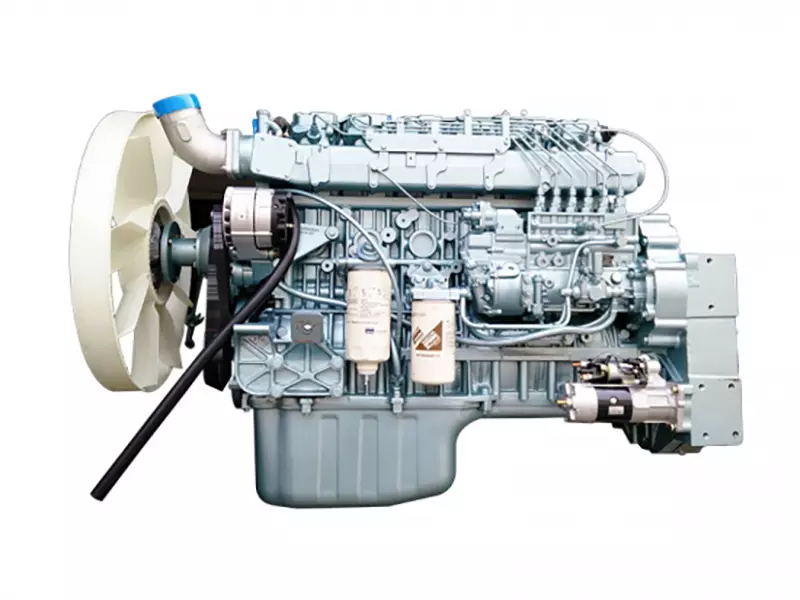
Fuel Efficiency
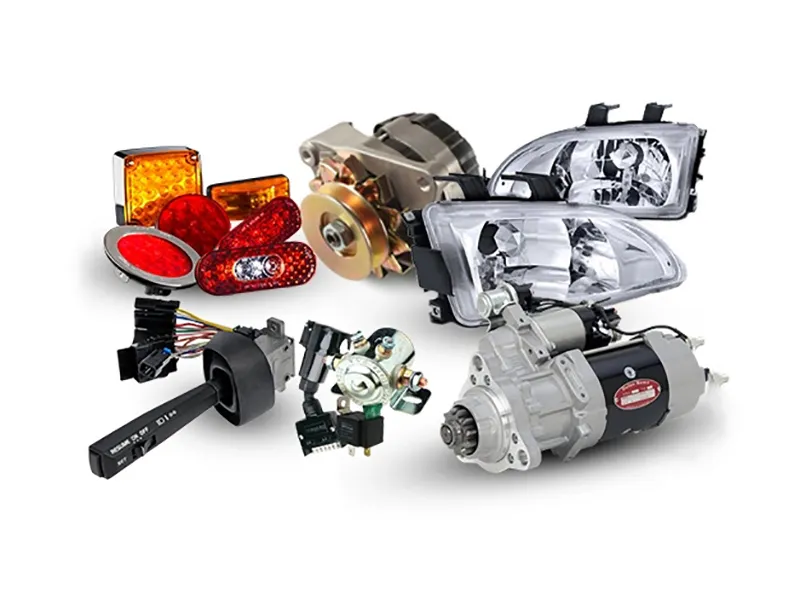
Engine Economy

Route Optimization
Howo A7 Fuel Consumption: Official Specifications
The Sinotruk Howo A7 is available with several engine configurations, and the howo a7 fuel consumption varies accordingly. Below we present the official figures based on manufacturer data and verified sources.
Howo A7 Fuel Consumption – Complete Parameter Table
Real-World Howo A7 Fuel Consumption in Nigeria
Lagos–Ibadan Expressway
Operators report howo fuel consumption of 35–38 L/100km on this busy corridor with heavy stop-start traffic. The 371 HP model performs efficiently when cruise control is used on open sections.
Abuja–Kaduna Route
Hilly terrain increases howo fuel consumption to 40–42 L/100km when fully loaded. The 420 HP variant maintains better average speeds on inclines, reducing overall trip time.
Apapa Port Operations
Heavy congestion inside Apapa yields figures of 45–50 L/100km due to prolonged idling. Operators recommend auxiliary cooling units to avoid running the main engine.
Key Factors Influencing Howo A7 Fuel Consumption
Payload & Overloading
Exceeding the 40-tonne GCW significantly worsens howo fuel consumption. Each additional tonne can increase consumption by 5–8%. Stick to rated capacity for optimal economy.
Road Conditions
Potholes and unpaved sections common in rural Nigeria increase rolling resistance, raising howo fuel consumption by up to 20% compared to smooth highways.
Aerodynamics
The A7’s high-roof cabin creates drag at highway speeds. Keeping windows closed and using the standard sun visor can improve howo fuel consumption by 3–5% on long hauls.
Transmission and Drivetrain Effects on Fuel Economy
- Transmission choice: The HW19712 12-speed allows keeping the engine in the optimal 1100–1500 rpm torque band, improving howo fuel consumption by up to 8% compared to older 9-speed boxes.
- Rear axle ratio: Standard 4.42 or 4.8 ratios. For highway use, the 4.42 lowers engine rpm at cruise, reducing howo a7 fuel consumption. For hilly terrain, 4.8 provides better gradeability.
- Differential locks: Use only when necessary – engaged differentials increase driveline friction and worsen howo fuel consumption.
Engine Technologies That Improve Howo A7 Fuel Consumption
Common Rail Injection
Euro III models feature Bosch high-pressure common rail (up to 1600 bar), delivering precise fuel metering. This technology improves howo fuel consumption by 10–15% compared to mechanical pumps, especially at partial load.
Viscous Fan Clutch
The temperature-controlled fan clutch engages only when needed, saving 3–5% on howo a7 fuel consumption compared to fixed fans that run constantly.
Maintenance Tips to Optimize Howo A7 Fuel Consumption
Regular maintenance using genuine components directly impacts howo a7 fuel consumption. Here are key areas Nigerian operators should focus on:
Air Filters
Clogged air filters can increase howo a7 fuel consumption by 8–12%. Replace every 10,000 km using genuine Sinotruk Truck Parts filters.
Fuel Injectors
Worn injectors cause incomplete combustion. Test every 30,000 km and replace with OEM units to restore howo a7 fuel consumption figures.
Tyre Pressure
Under-inflated tyres increase rolling resistance. Maintain 8.5–9 bar in 12.00R20 tyres to optimize howo a7 fuel consumption.
Nigerian operators have reported that the howo a7 fuel consumption improves significantly after the first 20,000 km as the engine breaks in. The WD615 engine family is known for maintaining efficiency well past 500,000 km when properly maintained. For maximum economy, consider the following route strategies: avoid peak-hour traffic in major cities like Lagos and Onitsha, plan refueling stops at trusted stations to avoid contaminated fuel, and use engine brake on descents to save service brakes while maintaining momentum.
The howo a7 fuel consumption also varies with fuel quality. Nigerian diesel can have variable cetane ratings; using additives periodically cleans injectors and restores efficiency. Many fleet owners in Nigeria report 5–7% better howo a7 fuel consumption when using premium diesel brands combined with regular filter changes from Sinotruk Truck Parts.
Driver training plays a crucial role in howo a7 fuel consumption. Aggressive acceleration and late shifting can increase consumption by 20–30%. Encourage drivers to shift up at 1500 rpm and maintain steady throttle. The A7’s cab features ergonomic instrumentation that helps monitor instantaneous consumption, allowing drivers to adjust behavior in real time.
Quick Reference: Howo A7 Fuel Consumption
- Official: 30–33 L/100km
- Lagos-Ibadan: 35–38 L/100km
- Abuja-Kaduna: 40–42 L/100km
- Apapa port: 45–50 L/100km
- Tank capacity: 300–400L
- Range: 900–1300 km
- Best economy at 70–80 km/h
Actual howo a7 fuel consumption depends on load, terrain, and maintenance. Use genuine parts for optimal efficiency.
Mastering howo a7 fuel consumption allows Nigerian transport businesses to maximize profitability. Whether you’re running a single truck or a large fleet, monitoring consumption patterns helps identify issues early. Remember that proper maintenance with genuine Sinotruk Truck Parts and driver training are the most effective ways to keep howo a7 fuel consumption at optimal levels throughout the vehicle’s life.