
VG1092090311 Oil Level Sensor for Howo Engine Parts
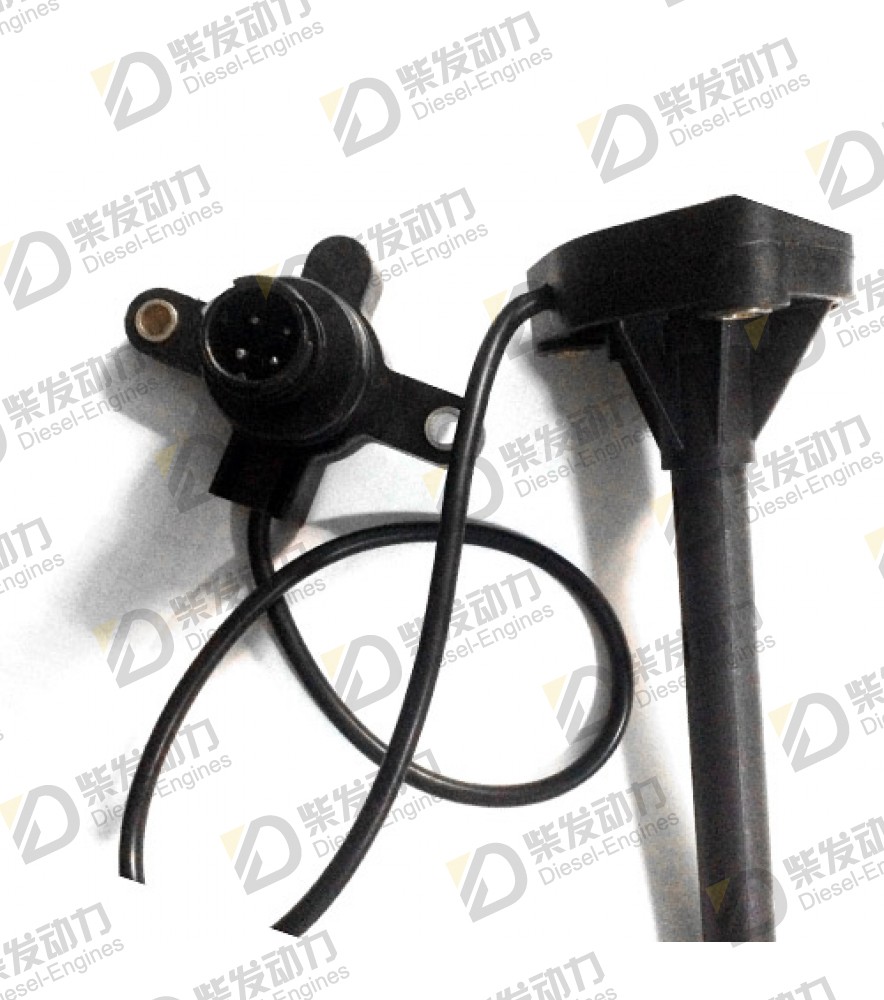
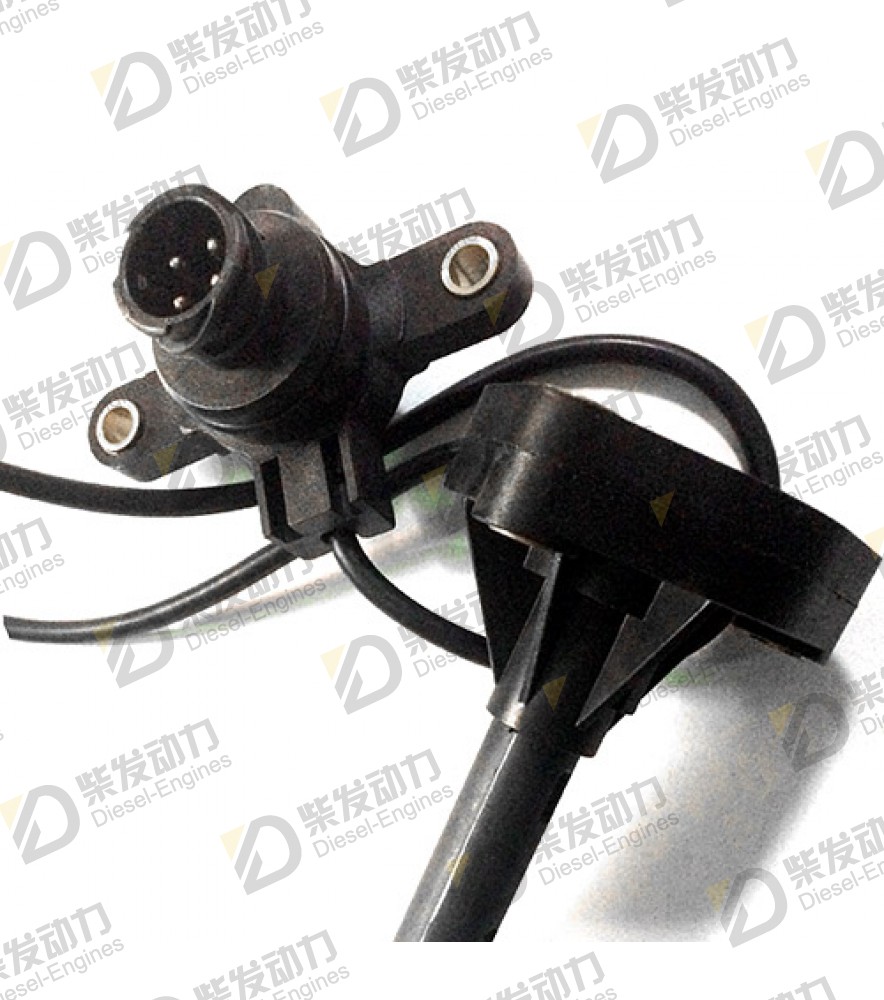
Every Howo truck owner understands the critical importance of maintaining optimal engine performance. The VG1092090311 oil level sensor serves as an essential guardian for your heavy-duty vehicle’s heart, constantly monitoring lubrication levels to prevent catastrophic engine failure. This precision component seamlessly integrates with your Howo truck’s engine system, providing real-time data that helps extend the operational lifespan of your valuable equipment. When the sensor detects oil levels dropping below safe parameters, it triggers immediate alerts through your dashboard warning system. This early notification system gives operators crucial time to address potential issues before they escalate into expensive repairs or dangerous roadside breakdowns. Properly functioning lubrication is particularly vital for heavy-duty trucks navigating challenging terrains or transporting maximum payloads.
Engineered specifically for Howo commercial vehicles, this sensor represents a significant advancement in preventative maintenance technology. Its robust construction withstands the vibration and temperature extremes common in long-haul trucking operations. The device operates on a simple but effective principle: using electrical resistance measurements to detect the position of floating components within the oil reservoir. When oil levels decrease, the floating mechanism drops, changing the electrical signal sent to the vehicle’s central computer. This instant feedback loop creates a vital safety buffer between normal operations and potential engine damage. Installation requires basic mechanical skills and typically takes less than thirty minutes for experienced technicians. Positioned at strategic access points on Howo engine blocks, the sensor allows for straightforward replacement without requiring comprehensive engine disassembly.
Reliability remains the cornerstone of the VG1092090311 oil level sensor’s design philosophy. Manufacturers subject each unit to rigorous quality control processes including pressure testing, thermal cycling, and vibration simulations matching real-world driving conditions. These comprehensive tests ensure every sensor leaving the factory meets exacting performance standards necessary for commercial fleet operations. Maintenance requirements remain minimal throughout the product’s service life, though periodic cleaning of sensor contacts during routine oil changes helps maintain signal accuracy. The component’s non-moving internal design significantly reduces potential failure points compared to older mechanical alternatives. For fleet managers, this translates to fewer unexpected maintenance events and reduced vehicle downtime.
The operational benefits of this essential engine component extend beyond basic oil level monitoring. Modern transportation businesses increasingly rely on detailed operational data to optimize maintenance schedules and reduce operational costs. The VG1092090311 sensor integrates with sophisticated vehicle telematics systems, providing fleet managers with historical oil level data that reveals consumption patterns across different driving conditions. This intelligence allows for more accurate oil change intervals based on actual usage rather than arbitrary mileage markers. Analysis of this data can reveal early signs of engine wear, fuel dilution issues, or potential leaks long before these problems become visually apparent. When combined with regular fluid analysis, the information gathered by these sensors creates powerful predictive maintenance capabilities that save thousands in potential repair costs.
Understanding the role of VG1092090311 components within comprehensive engine protection helps operators appreciate their true value proposition. These devices work synergistically with pressure sensors, temperature monitors, and filtration systems to create a comprehensive defense against preventable engine damage. The system communicates through standardized protocols that ensure seamless integration across Howo’s product range and model years. When replacement becomes necessary, technicians should prioritize genuine VG1092090311 parts to maintain engineering specifications and guarantee reliable performance. Compatible with multiple Howo engine platforms, this sensor provides consistent monitoring capabilities across diverse operational environments from arid desert routes to humid coastal hauls.
Different driving conditions require specialized awareness of lubricant behavior that the VG1092090311 sensor provides. Trucks operating in mountainous regions experience different oil circulation patterns than those on flat highways, while vehicles hauling heavy loads create increased pressure on lubrication systems. Extreme temperature fluctuations between seasons significantly impact oil viscosity, affecting both sensor performance requirements and maintenance considerations. During winter operations, the oil monitoring system becomes especially critical as cold starts place extraordinary stress on engines. Conversely, tropical environments accelerate oil breakdown through increased thermal stress. This precision component adapts to all scenarios, providing accurate readings regardless of ambient conditions. Modern sensors feature temperature compensation algorithms that adjust measurements according to real-time heat levels, ensuring consistent accuracy.
Operational efficiency gains emerge from the reliable data flow provided by this essential engine component. When drivers maintain proper oil levels, engine friction remains minimized, directly improving fuel economy percentages. Even marginal improvements in this area create substantial financial savings across large transportation fleets. The VG1092090311 device actively contributes to these gains by preventing both overfilling (which creates unnecessary viscosity resistance) and underfilling (which increases component wear). Beyond fuel efficiency benefits, consistent lubrication reduces greenhouse gas emissions through cleaner combustion and decreases particulate matter released into the environment. For transportation companies emphasizing sustainable operations, maintaining precise lubricant volumes becomes an easily implemented eco-conscious practice.
Diagnostic capabilities represent another significant advantage of modern oil level monitoring systems. When paired with professional scan tools, technicians can access real-time sensor data and historical records showing lubrication patterns. This information proves invaluable when troubleshooting inconsistent warning lights, verifying sensor functionality, or diagnosing false alerts. Technicians can observe raw signal values and track performance trends over time to identify developing issues before they trigger false alerts. The sensor’s diagnostic function creates two-way communication channels between component and computer systems, allowing for sophisticated calibration checks that verify measurement accuracy. These diagnostic capabilities significantly reduce troubleshooting times during routine maintenance events.
The VG1092090311 oil level sensor contributes to enhanced safety protocols across the transportation industry. Beyond preventing engine seizures that could strand vehicles in hazardous locations, proper oil maintenance reduces fire hazards from overheating components. Statistics show that lubrication-related failures represent a substantial percentage of roadside emergencies involving heavy commercial vehicles. The early warning system provided by these sensors directly prevents such situations, potentially avoiding accidents resulting from sudden loss of power during highway operation. As transportation regulations increasingly focus on safety management systems, documentation from monitoring devices provides operators with verifiable maintenance records demonstrating regulatory compliance.
Operational longevity extends significantly when VG1092090311 components function as engineered components of well-maintained powerplants. Engines operating with consistent oil levels between minimum and maximum markers distribute lubricant films more evenly across moving components. This balanced lubrication reduces friction on cylinder walls, bearings, camshafts, and valvetrain components alike. The comprehensive protection extends component lifespans while maintaining compression integrity over hundreds of thousands of operational miles. Long-term benefits emerge not only through reduced part replacement costs but also through maintaining optimal engine efficiency levels throughout the operational lifespan. These cumulative advantages help maximize the return on investment for transportation equipment assets.