
FAW vs HOWO: 35% Lower Operating Costs & Unmatched Parts Supply in Nigeria
When Nigerian fleet operators compare FAW vs HOWO, the decision impacts profitability, uptime, and long-term maintenance. Sinotruk Howo has steadily outperformed competitors across Lagos, Kano, and Port Harcourt, thanks to superior parts availability and robust engineering. Genuine Sinotruk Howo Parts ensure that your trucks stay on the road longer, directly reducing costly downtime. This detailed analysis of FAW vs HOWO reveals why Howo is the preferred choice for haulage, construction, and mining in Nigeria.
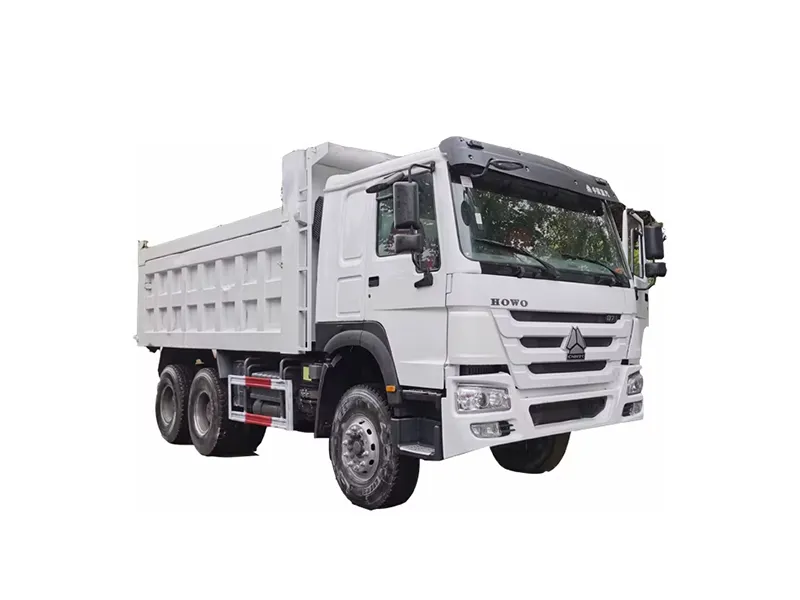
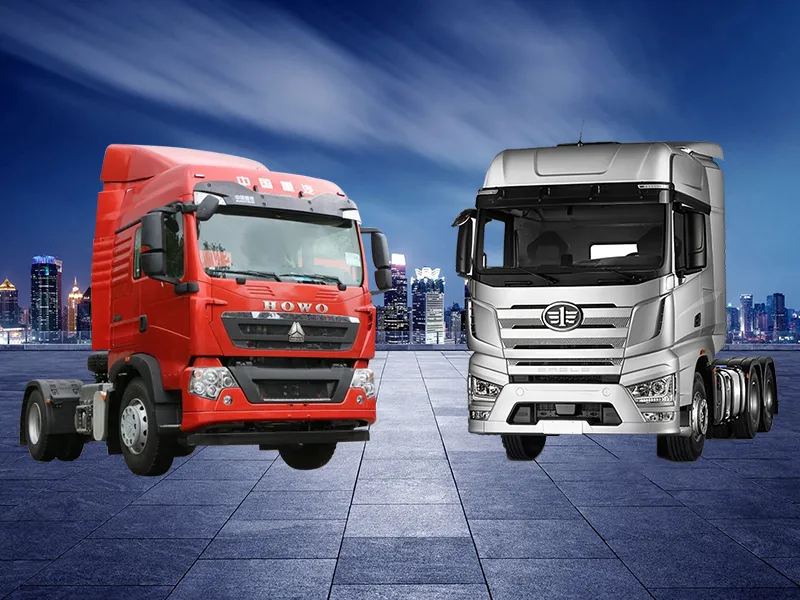
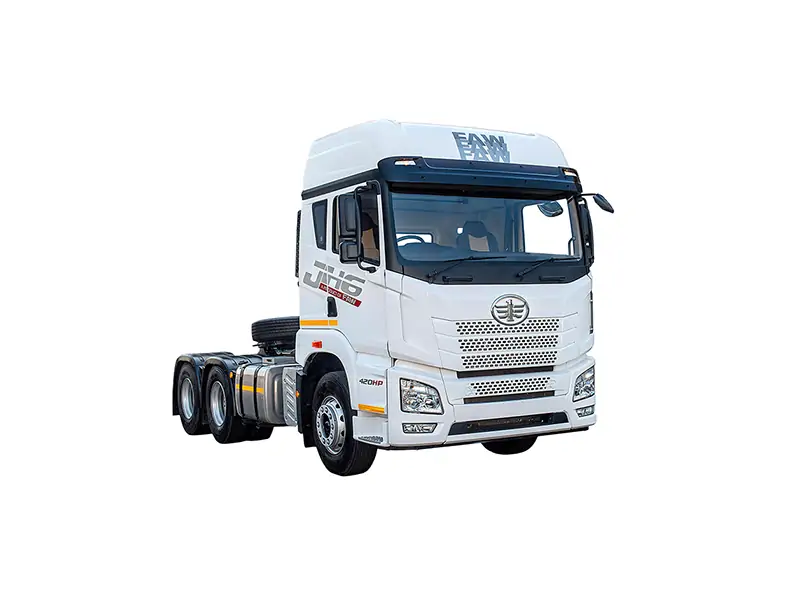
FAW vs HOWO: Powertrain & Engine Durability
The FAW vs HOWO battle begins under the hood. Sinotruk Howo is powered by the legendary WD615 and D10 series engines, delivering 371 to 430 horsepower with exceptional low‑end torque—critical for Nigerian off‑road mining and port haulage. FAW trucks typically use CA6DM or CA6DL engines, which offer similar peak power but narrower torque bands. Field data from Nigerian transporters show Howo engines sustain peak performance for over 500,000 km with regular maintenance, while FAW engines in severe conditions may require major overhauls earlier. The reliability gap becomes wider when ambient temperatures exceed 38°C, a common scenario across Northern Nigeria.
Moreover, the FAW vs HOWO transmission systems differ: Howo uses the robust HW series gearbox (10 or 12-speed), known for smoother shifts and longer clutch life. FAW’s own gearboxes are competent but have reported higher synchromesh wear in heavy‑load applications. For Nigerian fleets hauling 40‑ton loads daily, the Howo drivetrain offers superior durability and lower total cost of ownership.
FAW vs HOWO: Fuel Economy & Operational Savings
Fuel accounts for nearly 35% of operating costs in Nigerian trucking. The FAW vs HOWO fuel efficiency analysis reveals Howo delivers 2–4 liters per 100 km better consumption under full load, thanks to advanced electronic unit pump (EUP) injection and optimized cooling systems. In real‑world Lagos–Kano routes (over 1,000 km), Howo trucks save approximately ₦180,000 per month per vehicle compared to FAW counterparts. This advantage stems from Howo’s lighter yet stronger chassis and variable‑speed fan clutch that reduces parasitic losses.
FAW’s engines, while robust, tend to consume slightly more diesel when idling or navigating stop‑and‑go urban traffic. For fleet owners operating 20+ trucks, switching to Howo can yield annual fuel savings exceeding ₦40 million. Additionally, Howo’s aerodynamic cab design contributes to reduced drag on highways, further widening the FAW vs HOWO fuel economy gap.
Chassis Strength & Maintenance: FAW vs HOWO in Nigerian Terrain
Nigeria’s diverse infrastructure—from smooth expressways to pothole‑ridden rural roads—demands extreme chassis resilience. Howo frames are constructed from high‑strength manganese steel with reinforced crossmembers, offering exceptional torsional rigidity. FAW frames are durable but have been reported to develop stress cracks after 200,000 km under heavy haulage conditions. The FAW vs HOWO maintenance intervals also favor Howo: Howo recommends engine oil changes every 20,000 km under severe duty, whereas FAW often requires 15,000‑km intervals, increasing service frequency and labor costs.
Availability of authorized service centers is a decisive factor. Sinotruk Howo has a widespread network in Lagos, Kano, Abuja, Port Harcourt, and Enugu, with trained technicians and ready‑to‑use diagnostic tools. FAW’s service footprint in Nigeria is narrower, leading to longer downtime when specialized repairs are needed. For fleet managers tracking uptime, the FAW vs HOWO advantage clearly leans toward Howo.
Parts Availability: Why Sinotruk Howo Parts Dominate Nigeria
Across major spare parts markets in Nnewi, Aba, and Lagos, genuine Sinotruk Howo Parts are stocked in abundance. The supply chain for Howo components—including cylinder kits, clutch discs, brake pads, and electrical parts—is deeply integrated with local distributors. FAW parts, while available, often require longer lead times and sometimes face compatibility issues with aftermarket alternatives. This directly impacts the FAW vs HOWO ownership experience: Howo owners enjoy minimal downtime due to instant parts access, whereas FAW owners may wait days or weeks for critical components. With the trusted source at Sinotruk Howo Parts, Nigerian operators secure genuine parts with warranties.
Moreover, Howo’s parts catalog uses standardized part numbers, reducing ordering errors. For construction projects in Abuja or mining operations in Zamfara, this logistical reliability is non‑negotiable. The FAW vs HOWO parts ecosystem gives Howo a clear competitive edge.
Driver Comfort & Safety: FAW vs HOWO Cabins
Long‑haul driver satisfaction directly affects retention and safety. Howo’s cab features fully adjustable air‑suspended seats, superior insulation against heat and noise, and an ergonomic dashboard that reduces fatigue. FAW cabins are comfortable but often lack the same level of soundproofing and seat adjustability. In FAW vs HOWO safety assessments, Howo includes stronger door intrusion beams and optional electronic braking system (EBS) on newer models. Nigerian safety standards are rising, and Howo meets them with advanced braking and stability control.
Additionally, Howo’s sleeper berth provides better mattress support and integrated storage, critical for drivers on routes like Lagos to Maiduguri. Enhanced air conditioning performance in Howo trucks handles Nigeria’s intense heat more effectively, leading to higher driver morale and lower turnover. When weighing FAW vs HOWO for driver‑centric operations, Howo emerges as the top choice.
Technical Comparison: Howo 371 vs FAW J6 (Nigeria Specs)
| Parameter / Feature | Sinotruk HOWO 371 (6×4) | FAW J6 375 (6×4) |
|---|---|---|
| Engine Model | WD615.47 / D10.38 (371 hp) | CA6DM2‑37E5 (375 hp) |
| Peak Torque | 1460 Nm @ 1200‑1600 rpm | 1650 Nm @ 1300‑1500 rpm |
| Transmission | HW19710 (10‑speed) / HW25712X (12‑speed optional) | FAW 12JS180T (12‑speed) |
| Front / Rear Axle | HF9 (9t) / HC16 (16t double reduction) | FAW 7.5t / 457 16t |
| Fuel Tank Capacity | 400L / 600L aluminum | 400L steel (500L optional) |
| Suspension | Parabolic leaf springs + rear shock absorbers | Multi‑leaf, semi‑elliptic |
| Brake System | Dual‑circuit compressed air, ABS standard | Dual‑circuit compressed air, ABS optional |
| Typical Payload (GCW) | Up to 70 tons | Up to 65 tons |
| Fuel Consumption (full load) | 32‑35 L/100km | 34‑37 L/100km |
| Oil Change Interval | 20,000 km (severe duty) | 15,000 km (severe duty) |
| Parts Availability (Nigeria) | ★★★★★ (Widespread, immediate) | ★★★☆☆ (Limited to major cities) |
Total Cost of Ownership: FAW vs HOWO Resale Value
For Nigerian investors, resale value is a critical metric. Howo trucks consistently retain 45‑50% of original value after 5 years in the Nigerian used truck market, while FAW models average 35‑40%. The FAW vs HOWO depreciation gap is driven by parts availability, brand trust, and lower repair costs. Banks and leasing companies in Lagos also favor Howo for asset financing, recognizing lower risk profiles. When you combine fuel savings, reduced downtime, and higher resale, Howo delivers a superior return on investment over a 5‑year lifecycle.
Insurance premiums for Howo trucks are often 8‑12% lower due to proven reliability and fewer claims. The FAW vs HOWO financial analysis clearly shows that Howo is the smarter long‑term investment for Nigerian logistics, mining, and construction sectors.
Fleet Managers’ Verdict: FAW vs HOWO in Nigeria
Apapa Port Operator
“We replaced 8 FAW units with Howo in 2024. Downtime dropped by 35%, and parts are available within hours. The FAW vs HOWO comparison ends here—Howo is the king of port haulage.” — Emeka, Lagos.
Mining Fleet, Plateau
“Howo dump trucks handle laterite and granite with minimal suspension wear. FAW needed frequent welding on crossmembers. In extreme conditions, FAW vs HOWO durability is no contest.” — Musa, Mining Supervisor.
Long‑Haul Specialist
“Fuel savings alone made us switch to Howo across our Lagos–Kano fleet. FAW vs HOWO logs show Howo saves us ₦200,000 per truck monthly.” — Chioma, Logistics Director.
Warranty & After‑Sales: FAW vs HOWO Support Network
Sinotruk offers a comprehensive 12‑month or 100,000 km warranty on major components for Nigerian market units, supported by mobile service vans and regional parts hubs. FAW provides warranty but often limits coverage to authorized dealers in major cities. The FAW vs HOWO after‑sales responsiveness favors Howo due to the national presence of Sinotruk Nigeria and dedicated technical training for local mechanics. Extended warranty packages and genuine parts guarantee further reduce total cost of ownership.
Additionally, Howo’s diagnostic tools and technical hotline are widely accessible, empowering workshops across Nigeria to perform accurate repairs. FAW’s diagnostic infrastructure is still developing. For fleet operators who value rapid response, the FAW vs HOWO service ecosystem makes Howo the safer bet, especially during peak seasons like end‑of‑year logistics surges.
Final Verdict: FAW vs HOWO — Which Truck Rules Nigeria?
After a deep dive into engine reliability, parts logistics, fuel efficiency, driver comfort, and financial metrics, the FAW vs HOWO comparison demonstrates Sinotruk Howo as the dominant heavy‑duty truck in Nigeria. Howo’s superior parts availability (supported by Sinotruk Howo Parts ecosystem), broader service network, and stronger residual value make it the first choice for discerning fleet owners. FAW remains a solid contender, but for maximum uptime, lower operational risks, and proven durability, Howo delivers unbeatable advantages.
From the bustling ports of Lagos to the mining hubs in the North, Sinotruk Howo continues to build a legacy of reliability. Whether expanding a fleet or replacing aging units, the FAW vs HOWO answer leans decisively toward Howo — a truck engineered to thrive in West Africa’s demanding environments. With genuine components, modern safety features, and a vast support network, Howo represents the smartest capital expenditure for the Nigerian transport industry.